
Ceilings & Wall Features
Elevate your interior spaces with custom ceilings and wall features from 3Masters Woodworks—where architectural beauty meets expert craftsmanship.
Our Comprehensive Ceilings & Wall Features Solutions
Your home’s vertical surfaces deserve the same attention as every other design element. We specialize in transforming ordinary ceilings and walls into extraordinary focal points that define your interior aesthetic.
Coffered Ceiling Installation
Tray Ceiling Installation
Decorative Wall Features and Accent Walls
Wall Paneling Services
Architectural Millwork Solutions
Vaulted and Cathedral Ceiling Construction
Beam Ceiling Installation
Wood Ceiling Applications
Specialty Ceiling Designs
How Ceiling and Wall Features Change the Feel of a Space
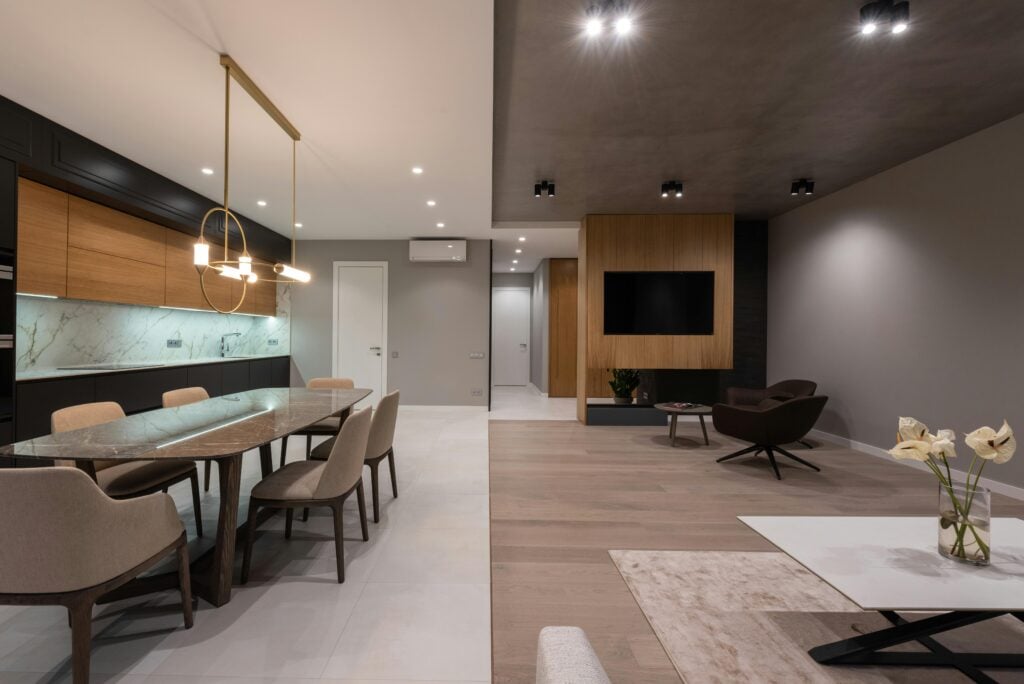
Ceiling and wall treatments strongly influence how rooms feel in ways that paint alone cannot achieve. Architectural design experience shows that these surfaces shape the perception of scale, light, and atmosphere.
Coffered Ceilings
Coffered ceilings with recessed panels create depth and make rooms feel more substantial. These grid-like patterns cast shadows, emphasizing visual complexity while adding architectural interest to otherwise plain ceiling surfaces.
Tray Ceilings
Tray ceilings add visual height in the center while maintaining standard elevation at perimeters. These recessed ceiling areas often incorporate cove lighting that washes upward, making ceilings appear to float and expanding the perceived room volume.
Exposed Beams
Exposed beams introduce vertical elements that draw the eye upward. Rough-sawn beams bring rustic warmth to polished interiors while creating rhythm and visual interest across ceiling planes.
Wainscoting and Wall Division
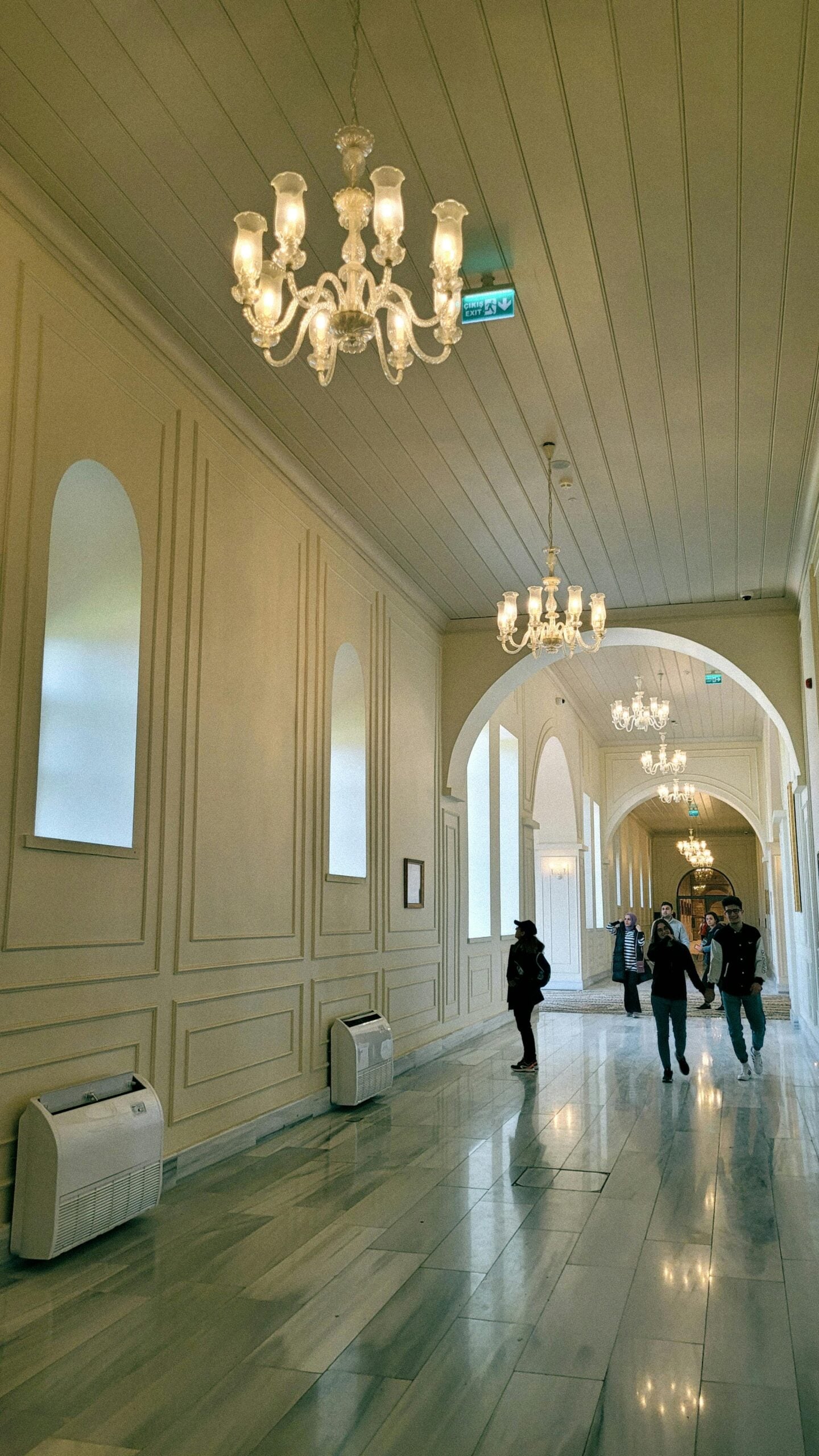
Wainscoting divides wall height into sections, making tall rooms feel more proportionate. This horizontal division creates visual balance and provides practical protection in high-traffic areas while adding dimensional interest to flat wall surfaces.
Board-and-Batten and Shiplap
Board-and-batten or shiplap creates rhythm that guides eye movement. These vertical or horizontal patterns with reveals create shadow lines shifting throughout the day, adding depth and texture to otherwise plain walls.
Picture Frame Molding
Picture frame molding adds formal elegance through dimensional panels. These raised sections create sophisticated wall treatments that introduce traditional character and visual complexity to formal spaces.
Light and Shadow Interaction
Light interacts with features to amplify their impact. Wall paneling with reveals creates shadow lines that shift throughout the day, emphasizing dimensional details and bringing surfaces to life through natural light changes.
Texture and Atmospheric Impact
Physical dimensionality provides tactile and visual interest that paint cannot deliver. Smooth millwork panels create refined elegance in formal spaces, while textured treatments affect how rooms feel and respond to changing light conditions.
Matching Features to Room Proportions
Low ceilings benefit from minimal treatments, avoiding further compression, while large open rooms need substantial features to feel intentionally designed rather than empty. Ceiling and wall treatments should complement existing architecture rather than fighting against it.
About 3Masters Woodworks
Our company emerged from a passion for transforming basic rooms into architecturally significant spaces. We recognized that ceilings and walls offer untapped potential for homeowners seeking distinctive interiors. Through years of dedicated craftsmanship, we’ve developed expertise in both traditional millwork and contemporary design applications.
Clients turn to 3Masters Woodworks when they want more than standard drywall finishes. Whether you’re addressing a dated popcorn ceiling that needs removal or envisioning a luxury coffered design, we deliver solutions. Our ceiling design services and decorative wall feature installations solve aesthetic challenges while adding tangible value to your property.
Popular Ceiling and Wall Feature Options in Remodeling
Understanding common feature categories and their applications helps homeowners make informed choices that enhance rather than overwhelm spaces.
Coffered ceilings consist of recessed panels created by intersecting beams. Depth typically ranges from four to eight inches, with deeper coffers creating more dramatic shadow and dimension. These features suit formal living rooms, dining rooms, and primary bedrooms, working best in rooms with ceiling heights above nine feet.
Tray ceilings feature raised center sections stepping up from perimeter borders. Single-step trays offer subtle architectural interest while multi-level trays create complex visual layering. Recessed borders provide ideal locations for cove lighting, making these features fit well in bedrooms and dining rooms where ambient uplighting enhances atmosphere.
Exposed beam ceilings create strong linear elements across ceiling planes. Structural beams carry loads and determine spacing, while decorative beams attach purely for visual impact with complete design flexibility. These features range from rustic rough-sawn timber to smooth painted millwork depending on desired aesthetic.
Wainscoting and wall paneling add dimension to flat surfaces. These treatments cover lower wall portions typically 32 to 48 inches high using raised panels, flat panels, or beadboard construction. Chair rail caps the top edge while baseboard finishes the bottom, creating defined zones within rooms.
Traditional homes suit elaborate crown and raised panel wainscoting. These detailed features complement period architecture and create formal character consistent with classic design principles established in the home’s original construction.
Contemporary interiors align with clean-lined tray ceilings and minimal wall trim. Simple profiles and geometric shapes maintain the streamlined aesthetic modern design requires without introducing ornate details that conflict with clean design language.
Craftsman styles work well with exposed beams and board-and-batten. These features honor the Arts and Crafts movement’s emphasis on visible structure and natural materials, creating authentic character appropriate to the architectural style.
Scale should relate to room size—ornate features overwhelm small spaces. Ceiling and wall features must be proportionate to room dimensions to enhance rather than dominate the space, and functional purposes include improved acoustics in home offices and practical wall protection in high-traffic areas.

Why Our Ceilings & Wall Features Installation Stands Above the Rest
Masterful Attention to Architectural Detail
Every joint, seam, and corner receives meticulous care during fabrication and installation. We understand that quality ceiling and wall features depend on precise measurements and expert execution. Our craftsmen take pride in creating seamless transitions where walls meet ceilings and where different materials join.
Versatility Across Design Styles
Traditional homes need different approaches than modern spaces, and we excel at both. We’ve completed everything from historic plaster ceiling restoration to cutting-edge geometric wall features. Your personal style guides our work rather than limiting our capabilities.
Material Expertise and Selection Guidance
Choosing between real wood and composite materials requires understanding performance characteristics. We educate clients about MDF versus solid wood options, polyurethane versus wood molding, and various finish possibilities. Our relationships with quality suppliers ensure you receive materials suited to your specific application.
Advantages of Professional Ceiling and Wall Feature Installation
Professional expertise ensures your investment yields beautiful results that endure. Consider these key benefits:
- Structural assessment and planning that identifies load-bearing considerations before beginning ceiling modifications
- Precise measurements and calculations ensuring pattern symmetry in coffered ceiling installation and panel layouts
- Professional-grade tools and equipment producing clean cuts and seamless joints impossible with basic consumer tools
- Material waste reduction through accurate estimating and efficient cutting techniques that control project costs
- Code compliance knowledge particularly for ceiling fan support installation and skylight framing requirements
- Design proportion expertise creating balanced wainscoting height recommendations and board and batten spacing
- Surface preparation mastery addressing wall irregularities before panel installation begins
- Proper fastening techniques preventing sagging ceilings and loose wall panels over time
- Finish application skills applying stains and paints that enhance grain patterns and protect surfaces
- Problem-solving experience addressing unexpected obstacles like hidden wiring and uneven framing
- Time efficiency and project completion finishing installations in days rather than extended DIY timelines
- Warranty protection coverage backing both materials and installation workmanship for long-term confidence
Planning Ceiling and Wall Features During a Remodel
Ceiling and wall features require planning during the design phase before framing and mechanical work begins. Proper sequencing and coordination ensure professional results.
Early Planning Requirements
Feature planning must occur early in the remodeling process. Coffered ceilings require blocking between joists to support beam attachments, while tray ceilings need framing modifications coordinating with HVAC ducting and electrical runs. Exposed beams attach to structural elements that may need reinforcement, and these decisions cannot be made after drywall installation without extensive rework.
Lighting Integration
Lighting integration requires simultaneous planning with ceiling features. Recessed lights in coffered ceilings must align with panel layouts, while cove lighting in tray ceilings needs electrical rough-in and blocking during framing. Chandeliers and pendants require structural support accounting for feature locations, ensuring electrical boxes emerge exactly where fixtures should mount.
Framing Coordination
Adding coffers in rooms with HVAC ducts may require duct relocation. Wall paneling over uneven plaster requires furring strips for flat mounting surfaces, and soundproofing and insulation must be addressed before features install to avoid compromising performance.
HVAC Considerations
Coffered ceilings can complicate air distribution if beams block register placement. Supply and return vents need strategic locations serving rooms while integrating visually with ceiling features, ensuring proper climate control without compromising design intent.
Material Selection for Durability
Wood features in humid environments require moisture-resistant materials. Fastening must account for seasonal wood movement to prevent cracking and separation, while paint-grade features need thorough priming preventing joint telegraphing that becomes visible over time.
Long-Term Performance
Coordination expertise ensures features remain stable, attractive, and properly integrated with surrounding finishes through decades of use. Proper planning and execution prevent common failures that require costly repairs or premature replacement.
Frequently Asked Questions About Ceilings & Wall Features
We’ve compiled answers to common questions homeowners ask about ceiling and wall projects.
Coffered ceilings feature recessed panels with visible beams creating a grid pattern throughout. Tray ceiling installation involves a single recessed center section with raised borders around the room perimeter.
Material costs vary between real wood shiplap and MDF alternatives based on quality and finish. Installation pricing depends on wall height, room complexity, and whether existing materials require removal first.
Ceiling texture removal requires careful scraping techniques and surface preparation afterward. We test for asbestos in older homes before beginning any textured ceiling repair or removal work.
Beam ceiling installation must account for actual timber weight or use lightweight faux beam ceiling alternatives. We assess existing ceiling joists and add reinforcement when structural calculations require additional support.
Properly scaled crown molding enhances rooms regardless of ceiling height. We recommend profile sizes that maintain proportions without overwhelming smaller spaces or appearing too modest in larger rooms.
Traditional wainscoting installation services typically extend one-third of the wall height in most applications. We adjust proportions based on ceiling height, furniture placement, and architectural style preferences.
Most wall paneling services need only occasional dusting and periodic cleaning with appropriate products. Wood installations may benefit from refinishing every decade, while painted surfaces need touch-ups as needed.
Strategic accent wall installation actually enhances compact areas by creating depth and interest. We select materials and patterns that complement room proportions rather than dominating limited square footage.
Begin Your Transformation Today
Your vision for stunning ceilings and distinctive wall features can become a reality with 3Masters Woodworks. We bring decades of combined experience to every custom ceiling design and decorative wall installation we complete.
Contact us today for a consultation, and let’s create something extraordinary together.